Few people who lived and worked along the Canal could imagine building a life without the mule. Mules, it is said, were the engines of the Canal. Or put another way, the workhorses
moving coal from Mauch Chunk (present-day Jim Thorpe) to Bristol.
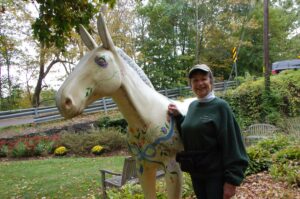
Mules—The Heart of the Canal
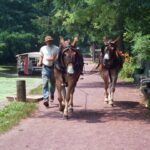 Favored by the founding fathers of our country, the mules established a stellar reputation when they came to the new world. Spanish missions used mules in their western North American missions in the early 1700s. George Washington, an avid farmer, became interested in utilizing mules and imported two male donkeys from Spain to begin a breeding program.
When the King of Spain and Marquis de Lafayette, both close friends of Washington heard of the new president’s breeding efforts, they also sent male donkeys to increase the stock. These donkeys from Spain and Andalusia were prized for their size and were called mammoth donkeys.
A mule is the asexual bi-product of breeding a female horse or mare with a male donkey or jack. Washington already owned mares to breed with these donkeys and eventually had more mules than horses on his estate.
The interest in mules spread throughout the South as Washington promoted using these animals in agriculture, even campaigning one of his donkeys to breed with mares. Thomas Jefferson also became a convert and soon had a breeding program and his own mules on the grounds of Monticello. [Read more…]
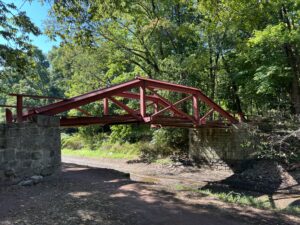 Sommer’s Bridge is one of the six remaining authentic camelback bridges along the towpath. These structures can be found as far south as Yardley, and as far north as Raubsville. They were built with several functions in mind. First, the design, also known as a Queenspost style bridge, had an arched design that better accommodated the crew on the canal boats. They also connected two land parcels separated by the Canal’s installation.
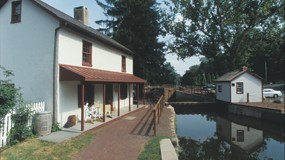
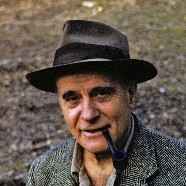 Something new is brewing at Lock 11 in New Hope. A new exhibition commemorating the140th Birth Anniversary of William Francis Taylor will open in the old concession building next to the Locktender’s House at 145 South Main Street New Hope. The exhibit will provide a chronology of the life and times of Taylor and his contribution to preserving the Delaware Canal and Towpath.